- Your Product
- AUTOMATION SOLUTIONS
- CAPABILITIES
- SERVICES
- RESOURCES







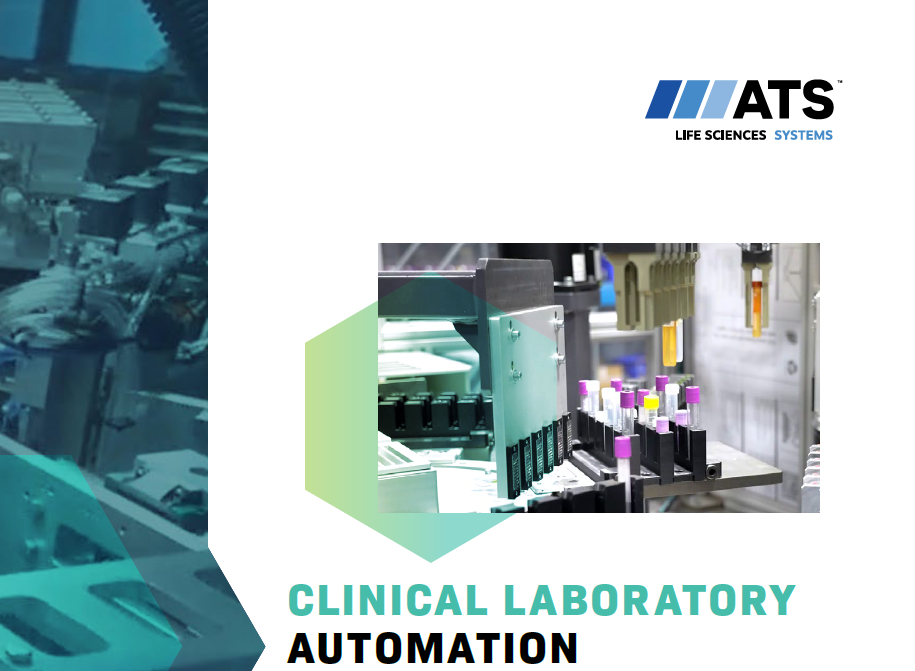
CLINICAL DIAGNOSTICS AUTOMATION
Reduce manual errors and maximize lab output
- High-speed specimen processing with SuperTrak CONVEYANCE™ for industry-leading throughput, turnaround time, and space efficiency
- Modular approach allows customized processing lines using standardized components
- Flexible specimen input; comprehensive integrated processing modules; tailored output solutions
- Scale operations without disruption; easily adapt to evolving workflow requirements
Achieve Similar Outputs in up to 60% Less Space
Automating your lab is easier with ATS Life Sciences Systems by leveraging the power of our high-speed SuperTrak CONVEYANCE™ system to deliver breakthrough performance in clinical lab automation – all within a compact footprint. Designed for speed, precision, and adaptability, SuperTrakTM enables industry-leading throughput, turnaround time, and space efficiency.
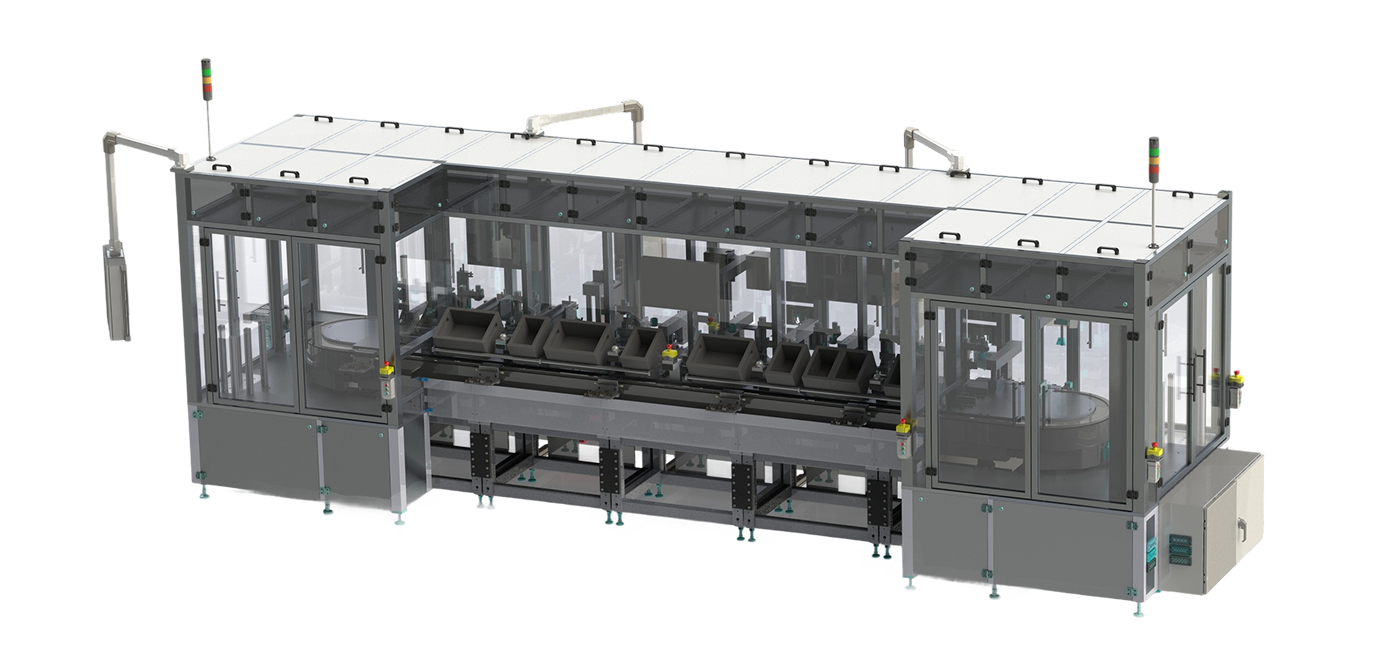
Flexible Specimen Input
Choose from bulk loading, rack-based input, or workstation-accessed entry points
Tailored Output Solutions
Output sort decks can be configured with instrument-specific racks to streamline downstream analysis and reporting
With ATS and SuperTrak CONVEYANCETM, your lab automation solution gains the agility to respond to changing demands, the speed to meet tight turnaround targets, and the reliability to ensure specimen integrity—all while optimizing lab workflow in minimal space.
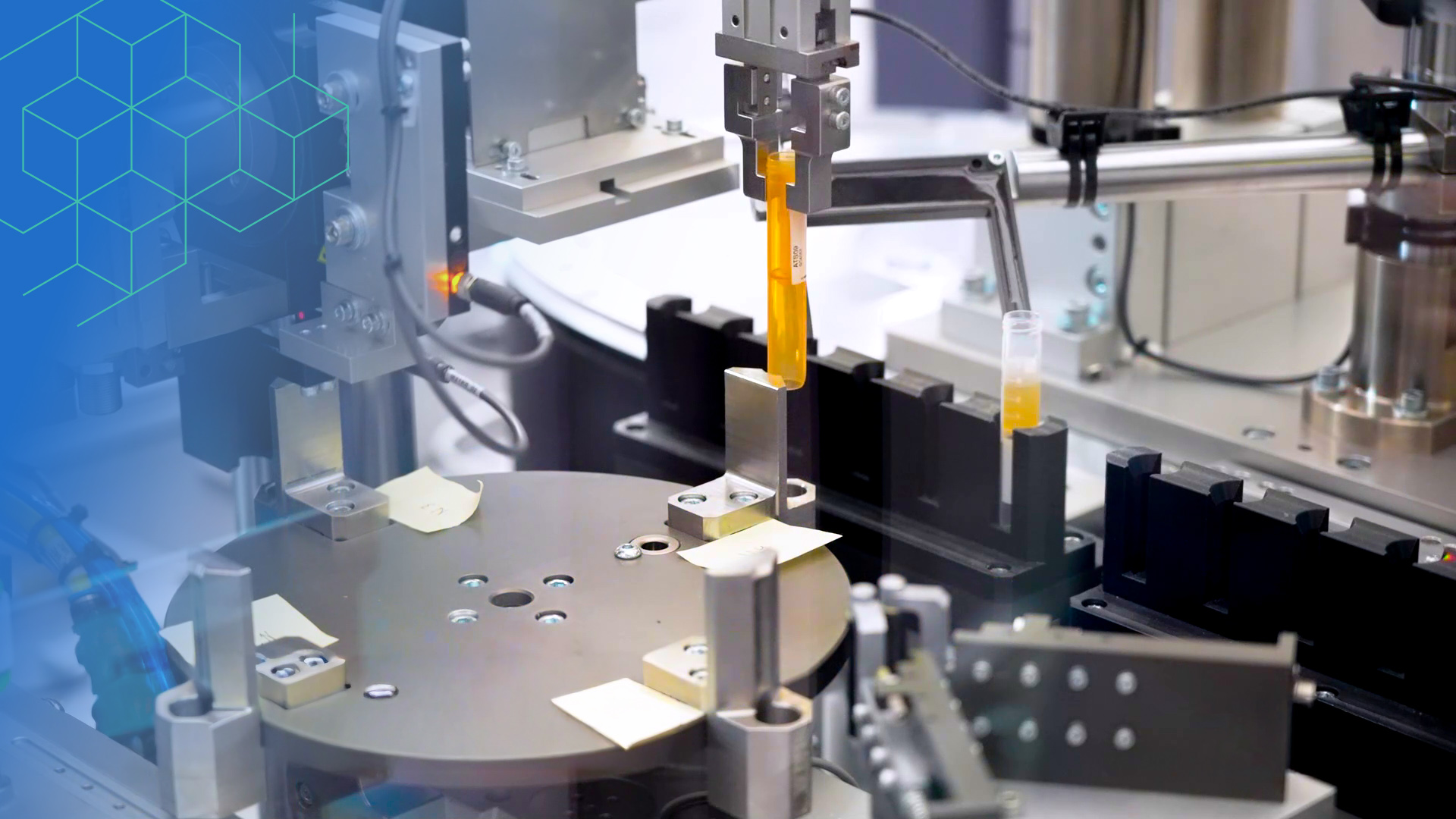
Sample Receipt
Intake and processing of large quantity, bulk formats
- Box/bag opening
- Accessioning involving data entry, visual inspection (quality, tube type), relabel, and/or gross sort
Pre-Analytic Processing
Our modular systems streamline and standardize specimen preparation before analysis, reducing manual touchpoints and improving specimen integrity.

Specimen Accessioning
Automated data entry, visual inspection (tube type, quality), relabeling, and gross sorting streamline specimen accessioning for higher accuracy and efficiency

Flexible Input Options
Supports bulk loading, rack input, and workstation-based accessioning to adapt seamlessly to diverse lab workflows

Transportation
SuperTrak CONVEYANCETM high-speed specimen transport for highly accurate position control ensuring reliable sample movement throughout the lab

Centrifugation
Selective spinning of samples based on test requirements and temperature controlled up to 6400 RCF for consistent results

Thaw & Mix
Controlled thawing and inversion to ensure uniform sample consistency and preparation for downstream analysis

Decapping
Automated tube decapping handles multiple container types and safely disposes of caps into hazmat bags for secure, hands-free processing

Aliquoting
Daughter tubes are intelligently created and relabeled with up to 5 mL aliquoting, enabling clot detection, buffy coat imaging, and plasma isolation

Sortation
Customizable sort decks for segregation of sort targets into generic or instrument specific racks for efficient routing
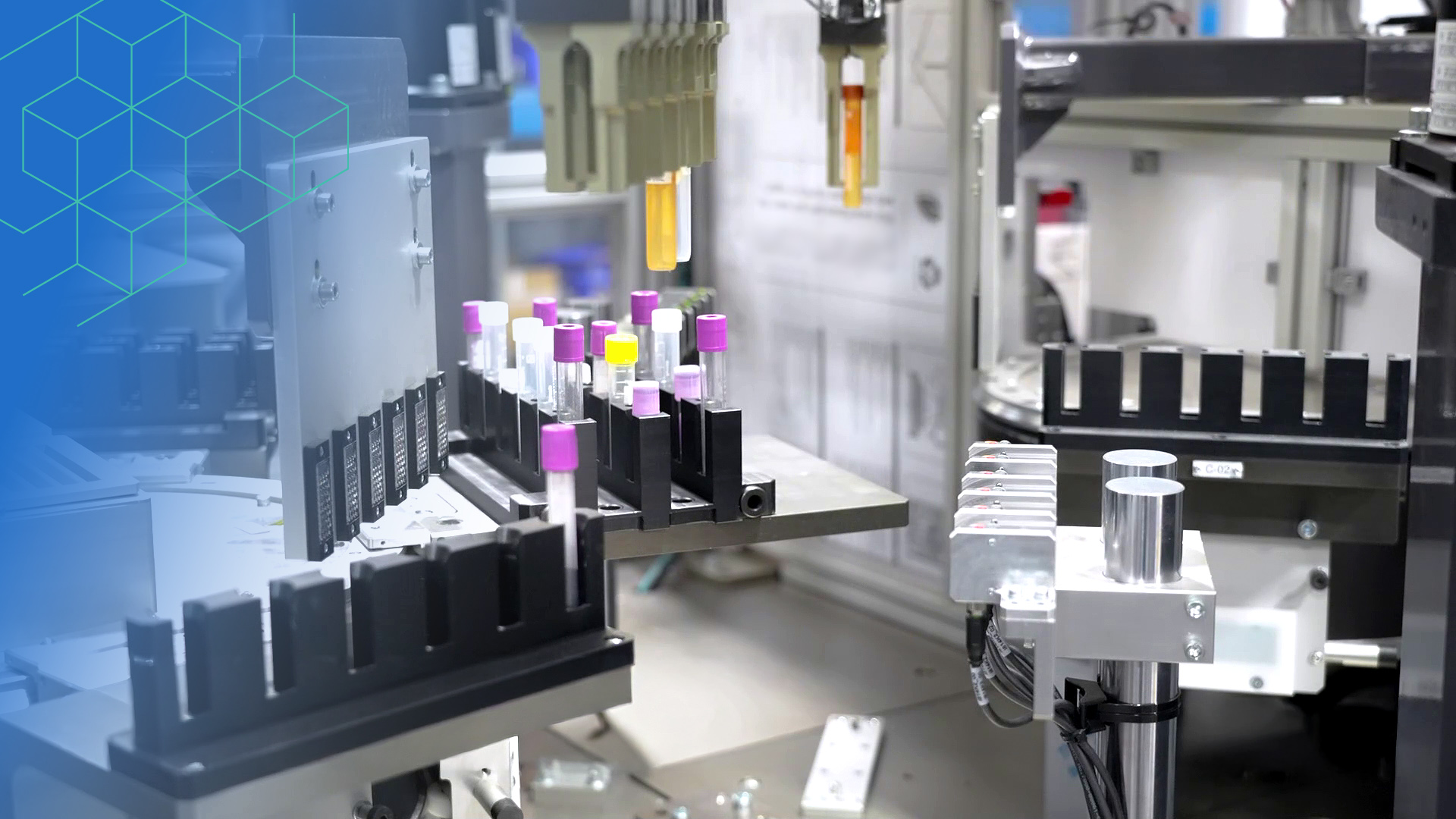
ANALYTICS
Integration with clinical and diagnostic platforms that produce laboratory test results and data sets that can be analyzed to establish key insights
Post-Analytic Processing
After analysis, our systems ensure secure handling, storage, and disposal of specimens—supporting compliance and operational efficiency.

Recapping / Resealing
Automated recapping ensures secure specimen storage with plug-style or foil sealing, based on lab protocols and specimen needs

Archiving
Output decks for sortation of archive targets into storage racks for organized storage

Sample Retention & Storage
Configurable retention periods with organized archival systems provide secure, traceable storage of processed specimens

Disposal Automation
Automated streamlined removal of expired or processed specimens to maintain compliance and lab efficiency
LAB AUTOMATION FAQs
How does automation reduce manual errors in diagnostic lab settings?
Automated processes in the lab mean greater consistency and repeatability in processing, including in data entry, labelling, and traceability. Precision robotic handling eliminates variability between manual operators and protects against sample contamination. Introducing lab robotics to your diagnostic processes can be a big step toward modernizing your clinical lab.
How does automation increase lab productivity?
Repetitive manual tasks can be automated for speed with a high degree of accuracy, freeing up technicians for higher-value work. Integration with other operations can increase lab throughput with continuous (24/7) operation, reduced turnaround times, simpler specimen storage and retrieval, and more efficient use of consumables.
What processes can be automated in a clinical / diagnostic laboratory?
The key processes that ATS can automate in a clinical or diagnostic laboratory include:
Pre-Analytic Processing – standardized specimen preparation, reducing manual touchpoints and improving specimen integrity
- Specimen Accessioning – Automated data entry, AVI, relabeling, and gross sorting
- Flexible Input Options – Bulk loading, rack input, and workstation-based accessioning
- Transportation – High-speed transport for highly accurate position control
- Centrifugation – Selective spinning of samples
- Thaw & Mix – Controlled thawing and inversion for uniform sample consistency
- Decapping – Automated removal of tube caps for downstream processing
- Aliquoting – Aliquoting, daughter tube relabeling, clot detection, buffy coat imaging, plasma isolation
Post-Analytic Processing – secure handling, storage, and disposal of specimens supporting compliance and operational efficiency
- Recapping / Resealing – Plug style capping or foil sealing
- Sortation – Output sort decks can be configured with instrument-specific racks to streamline downstream analysis and reporting
- Sample Retention & Storage – Configurable retention periods with organized archival systems
- Disposal Automation – Streamlined removal of expired or processed specimens
Why would a lab choose to use robotics automation technology?
The benefits of adopting a laboratory automation solution from ATS include:
Operational Efficiency – Lab automation achieves the highest output per square foot; configurable systems can be designed to fit into existing lab layouts
Workforce Optimization – Reduce reliance on manual labor for repetitive tasks and free up skilled personnel for higher-value tasks
Performance & Reliability – Minimize human error with consistent specimen handling; maintain accuracy and control across every step of the analytic process
Scalable Growth – Expand capacity and capabilities without costly facility upgrades; modular solutions grow with your lab’s evolving needs
Is clinical lab automation suitable for small or mid-sized labs?
Yes. Laboratory automation technology is about improved lab efficiency, workforce and space utilization. Introducing robotic laboratory automation in a large, centralized facility can maximize throughput while a modular approach allows customized processing lines using standardized components in smaller applications. Automation can be a solution whether upgrading legacy systems or launching a new lab.
How to choose a solution for clinical lab automation
When considering solutions for advanced laboratory automation, an experienced provider like ATS will focus on your desired outcomes, resolving bottlenecks and pain points and addressing future states. Standard solutions can replace existing processes while modular systems offer flexibility for growing operations or evolving capabilities. Site visits to see how a solution functions and demonstrations of training and lifecycle support contribute to making an informed decision.
Resources

Case STUDY
A Laboratory Automation Success Story: 60% Greater Sample Sorting Capacity at <50% the Footprint
How we helped build a much higher‑capacity sample sorting line—5,000 samples per hour within the same physical space as the old system.
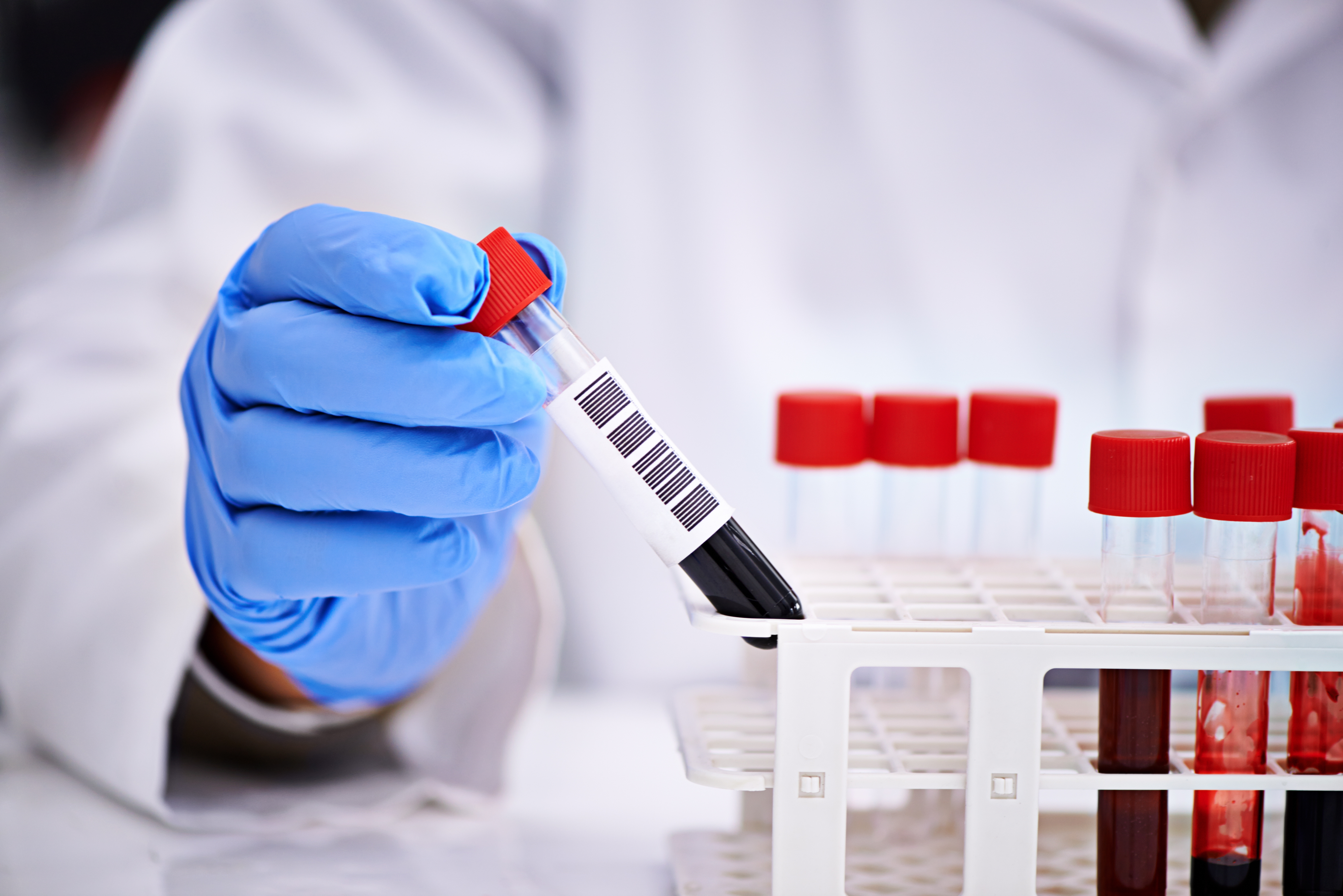
Fact sheet
Clinical Laboratory Automation
High throughput pre- and post-analytic specimen processing systems for clinical laboratories. Scalable lab automation for growing diagnostics labs.
BLOG
Automated Plasma Isolation
Lab automation can streamline common processes, such as this application at up to 500 samples per hour.
Ready to Future-Proof Your Lab Infrastructure?
End-to-end lab workflow automation, including data integration, for your growing diagnostics laboratory. Contact us today to schedule a demo or speak with a solutions expert.
REQUEST A MEETING
Briefly tell us about your automation needs and we’ll get back to you.
TALK TO AN EXPERT
Briefly tell us about your automation needs and we’ll get back to you.
BOOK A DEMO
Briefly tell us about your automation needs and we’ll get back to you.
 Contact Us
  Subscribe
  LinkedIn
  Youtube